
“When it absolutely, positively has to get there overnight,” made FedEx a wunderkind of business. The more ubiquitous the saying became, the more successful FedEx grew. Today, FedEx Corporation is the world’s top shipping conglomerate, moving 16.5 million packages per day…per day!
How do they handle so many packages?
Sorting facilities. These are shipping hubs infused with computer brains, precisely calibrated scanners, and miles and miles of conveyor belts. When a package comes into the facility, it enters the maze of steel mesh belts, gets scanned, bumped, elevated, and jostled until it reaches the proper terminal for its destination.
It cannot compare.
As amazing as the packing and shipping industry is, it cannot compare to the precision, communication, and package handling of a single human cell. Each cell carries out processes similar to a shipping facility, but on a microscopic scale. Instead of moving teddy bears and summer sausage for Christmas celebrations, it moves life. Inside each cell are organelles, or “small organs” that perform precise tasks, much like the various systems in the FedEx network.
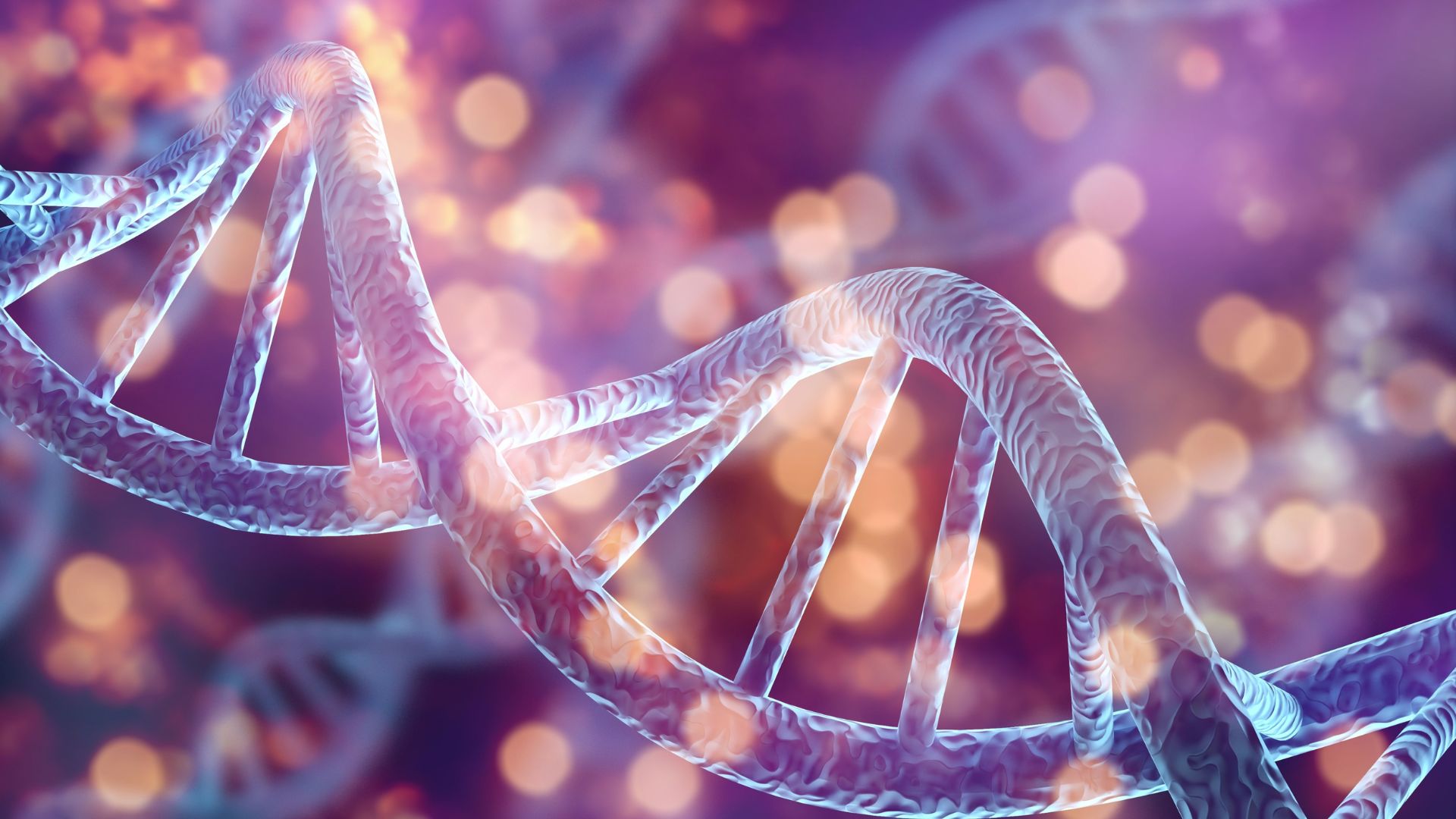
Every facility needs a main office that stores and routes information. The computers in this office receive, read, and redirect packages to their destinations. Eukaryotic cells contain a main control office called the nucleus. The nucleus contains genetic material called DNA—the stuff left at crime scenes. But DNA is more than just a clue in a criminal investigation. It contains the information code for life. Hair color, disposition to disease, eyelash length, and all other traits are determined by our genes. Genes are sequences of nucleotides that make up protein strands, determining our individual features. For example, one specific nucleotide sequence or gene determines green eyes. Information in the DNA constructs specific sequences that determine a person’s specific traits. Hence, DNA is the routing information that is stored in the nuclear office.
Routing machines in the facility scan packages and use conveyor belts, pushers, gates, and other devices to direct packages based upon information received from the office. In the cell, ribosomes collect and move packets of amino acids and proteins, based upon information from the DNA. The collected amino acids get transferred to other parts of the cell, or even other specialized cells, through the endoplasmic reticula and Golgi bodies. These are like lifts, palettes jacks, and conveyor belts that move containers around the facility.
Cleaning and storing
While protein synthesis continues, a cleanup crew moves around the cell picking up debris and expelling it. These cleaning and recycling organelles are lysosomes. Like sweeping and mopping crews, they keep the area within the cell clean from clutter, allowing the other processes to continue.
Every facility has storage closets that store extra parts, cleaning supplies, and cobwebs. Within the microcosm of cells, vacuoles serve as little closets. They store cellular materials and help with pressure regulation.
The power that makes it run
Finally, everything has to run. Without power, the belts don’t move, scanners don’t scan, information stalls, and the entire facility screeches to a halt. Cells require energy too. Cellular energy comes from the mitochondria, the power-source organelles. Mitochondria take energy molecules, break them down, and release the energy to the cell to keep the facility running. In 1971, Fred Smith of Little Rock, Arkansas, started Federal Express with a vision to move the world’s packages overnight. His integrated system led to the creation of one of the largest companies in the world. However, God created a proto-design a few thousand years earlier on the third day of creation. The intricacies and inner workings of a single cell overshadow the design of any FedEx hub—moving more packages with fewer mistakes in less time.
The designs and systems found within the cell remind us how fearfully and wonderfully God made us (Psa. 139:14). Nobody would enter the FedEx super hub at Memphis International Airport and assume that it all happened by accident, much less set out to prove there wasn’t a creative force behind it. At every incremental stage of FedEx’s development, there was purposeful design driving it. The same is true of the intelligent design behind cellular biology.
Preaching Minister